



Revving Up Your Ride: Delving into the Dynamic World of Gasoline Grades, from 87 to 93 Octane Ratings
Introduction:
The right fuel is essential for a smooth ride, and when it comes to running your car, gasoline grades with octane ratings from 87 to 93 open doors to a dynamic world of performance and efficiency. In this article, we explore the details of gasoline grades and how different ratings affect your driving experience.
Understanding Octane Ratings:
Octane ratings measure a fuel’s resistance to engine knocking, which occurs when fuel ignites too early in the engine’s cylinders. Higher-octane fuel has greater resistance to knocking, allowing for smoother and more efficient combustion. Octane ratings typically range from 87 to 93 in most commercial gasoline grades.
Performance and Efficiency:
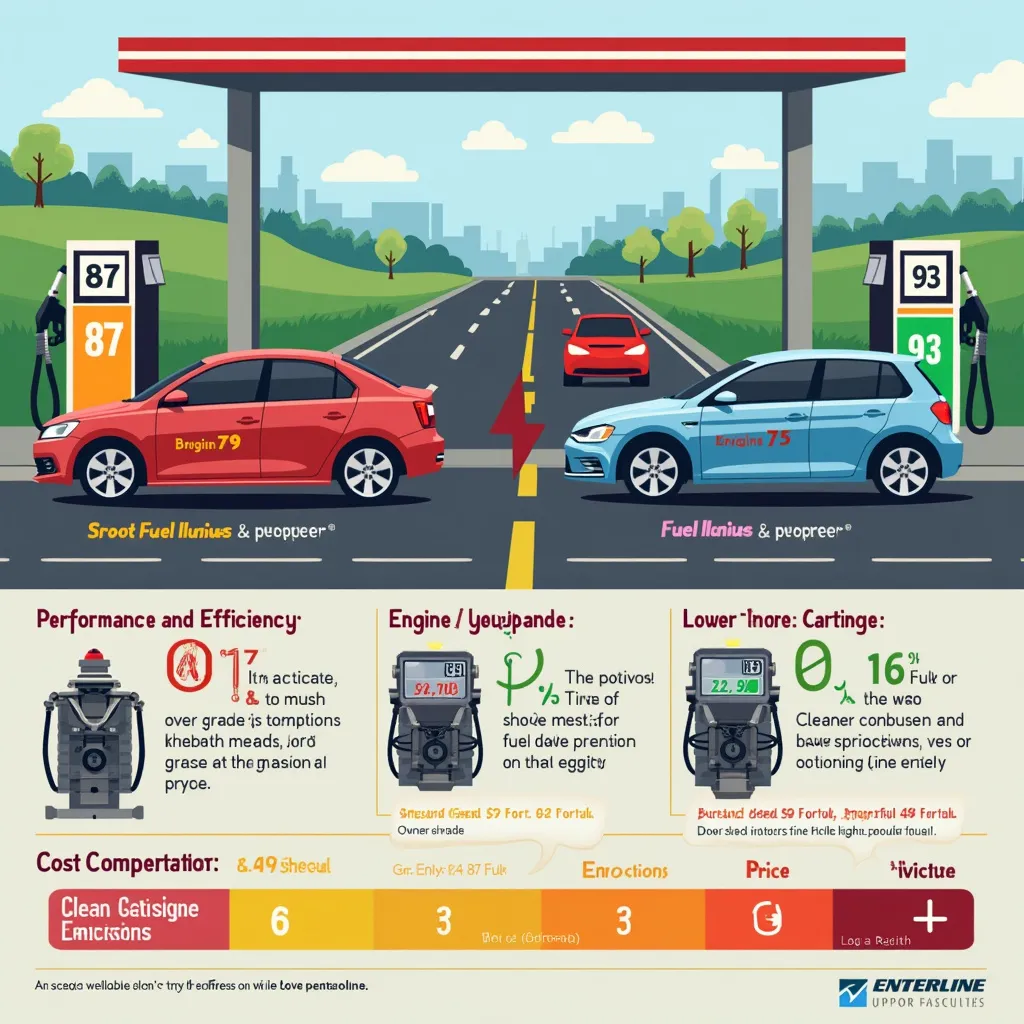
The octane rating of gasoline directly affects your car’s performance and fuel efficiency. While lower-octane fuel like 87 provides adequate performance for most cars, high-performance engines often require 91 or 93 octane fuel to improve power output and prevent engine knocking. Additionally, higher-octane fuel can enhance fuel efficiency by ensuring more complete combustion, leading to improved fuel economy.
Engine Compatibility:
Not all cars are designed to run on high-octane fuel. Consult your owner’s manual or manufacturer’s recommendations to determine the ideal octane rating for your vehicle. Using fuel with a lower octane rating than recommended can lead to engine knocking, reduced performance, and potential long-term damage. On the other hand, using higher-octane fuel than necessary may not provide significant benefits for standard engines.
Cost Considerations:
Higher-octane fuel often comes at a premium price compared to lower-octane counterparts. While high-performance cars may require higher-octane fuel for optimal performance, standard cars may not benefit significantly from using premium gasoline. Consider your car’s requirements and driving habits when evaluating the cost and benefits of different gasoline grades.
Environmental Impact:
The choice of gasoline grade can affect environmental factors such as emissions and air quality. While higher-octane fuel may contribute to cleaner combustion and lower emissions in some cars, the overall environmental impact depends on multiple factors, including the car’s efficiency, driving conditions, and emission control systems.
Conclusion:
Choosing the right gasoline grade is crucial for achieving optimal performance, efficiency, and longevity for your car. Whether you’re cruising on the highway in a standard sedan or pushing the limits of a high-performance sports car, understanding the details of octane ratings gives you the power to make informed decisions at the fuel pump. So, next time you fill up, make your ride come alive with the perfect grade of gasoline tailored to your car’s needs.


Leave a Reply