


Introduction
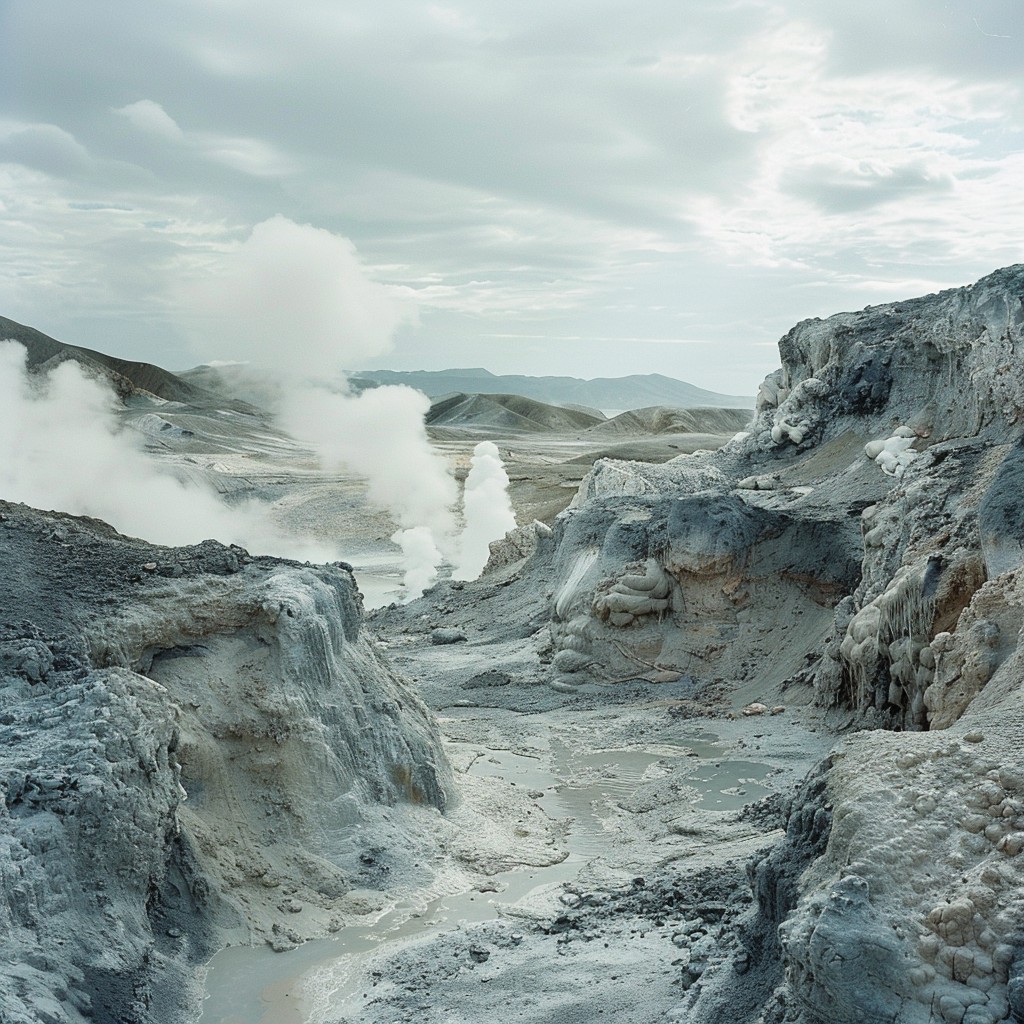
Crude oil, also known as crude petroleum, is a naturally occurring, unrefined liquid found beneath the Earth’s surface. It is a complex mixture of hydrocarbons and other organic materials, which is processed in refineries to produce fuels and various essential products.
What is Crude Oil?
Definition
Crude oil is a fossil fuel formed from the remains of ancient marine organisms. Over millions of years, heat and pressure transformed these remains into the oil that we extract today. It is a non-renewable resource, meaning it cannot be replaced on a human timescale.
Composition
Crude oil is primarily composed of hydrocarbons, which are molecules made up of hydrogen and carbon atoms. It also contains other elements such as sulfur, nitrogen, oxygen, and trace metals. The exact composition can vary significantly depending on its geographical origin.
Types of Crude Oil
- Light Crude Oil: Low density and high API gravity. It is easier to refine and produces a higher yield of valuable products like gasoline.
- Heavy Crude Oil: High density and low API gravity. It is more challenging to refine and generally yields more lower-value products.
- Sweet Crude Oil: Contains low sulfur content, making it easier and cheaper to refine.
- Sour Crude Oil: Contains high sulfur content, requiring more processing to remove impurities.
Extraction and Production
Exploration
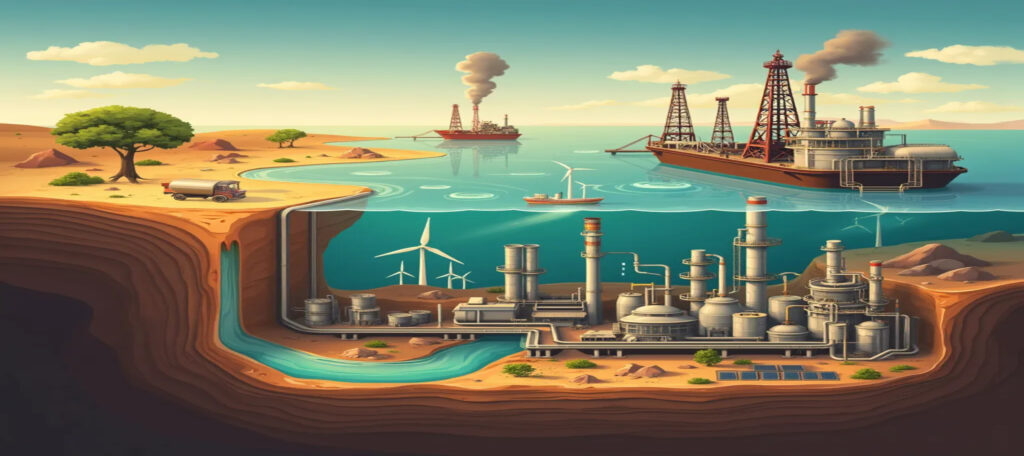
The process begins with geological surveys and exploratory drilling to locate potential oil reserves. Advanced technologies such as 3D seismic imaging are used to identify the most promising sites.
Drilling
Once a site is identified, drilling rigs are used to bore holes into the Earth to reach the oil reservoirs. Drilling can occur on land (onshore) or in the ocean (offshore).
Production
Oil is brought to the surface through wells. In many cases, natural pressure forces the oil out, but secondary recovery techniques like water flooding or gas injection may be required to maintain production levels.
Refining Process
Crude oil must be refined before it can be used. The refining process involves several steps:
Distillation
The primary step in refining is distillation, where crude oil is heated, and its components are separated based on their boiling points.
Conversion
Processes like cracking, reforming, and coking are used to convert heavier fractions into lighter, more valuable products.
Treatment
The final step involves treating the refined products to remove impurities and meet quality standards. This may include desulfurization to produce low-sulfur fuels.
Products Derived from Crude Oil
Crude oil is refined into various products that are essential for modern life:
- Fuels: Gasoline, diesel, jet fuel, and heating oil.
- Petrochemicals: Used to produce plastics, synthetic rubber, and chemicals.
- Lubricants: Oils and greases for machinery and engines.
- Asphalt: Used in road construction.
Environmental Impact
Pollution
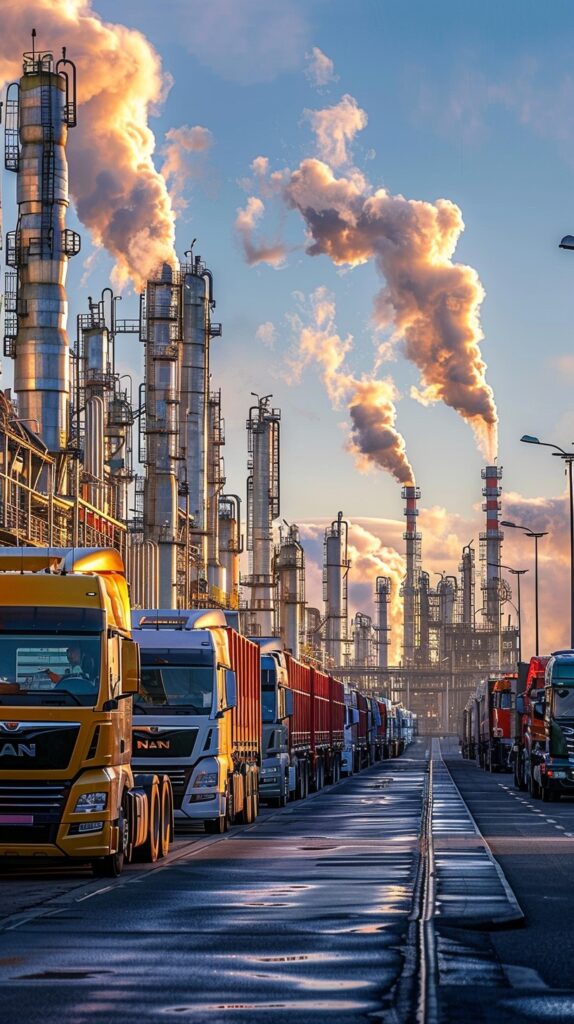
Extraction, transportation, and refining of crude oil can lead to environmental pollution, including oil spills, and air and water contamination.
Climate Change
Burning fossil fuels releases carbon dioxide (CO2) and other greenhouse gases into the atmosphere, contributing to global warming and climate change.
Mitigation Efforts
Efforts to mitigate the environmental impact include stricter regulations, advances in cleaner extraction technologies, and the development of alternative energy sources.
Economic Importance
Crude oil is a cornerstone of the global economy. It is a major source of energy, driving transportation, industry, and heating. The oil industry provides jobs, stimulates economic growth, and plays a vital role in international trade.
Oil Market
The price of crude oil is influenced by various factors, including geopolitical events, supply and demand dynamics, and OPEC policies.
Conclusion
Crude oil is a critical natural resource with a profound impact on our daily lives and the global economy. While it provides numerous benefits, it also poses significant environmental challenges. As we move towards a more sustainable future, balancing the benefits of crude oil with the need for environmental stewardship is crucial.
Learn More
For more information on crude oil and its impact, visit these resources:
Contact Us
For any inquiries or further information, please contact us at Ahmed@Spectrum.info or call us at (+968) 24479416.
© 2024 Crude Oil Insights. All rights reserved.


Leave a Reply