


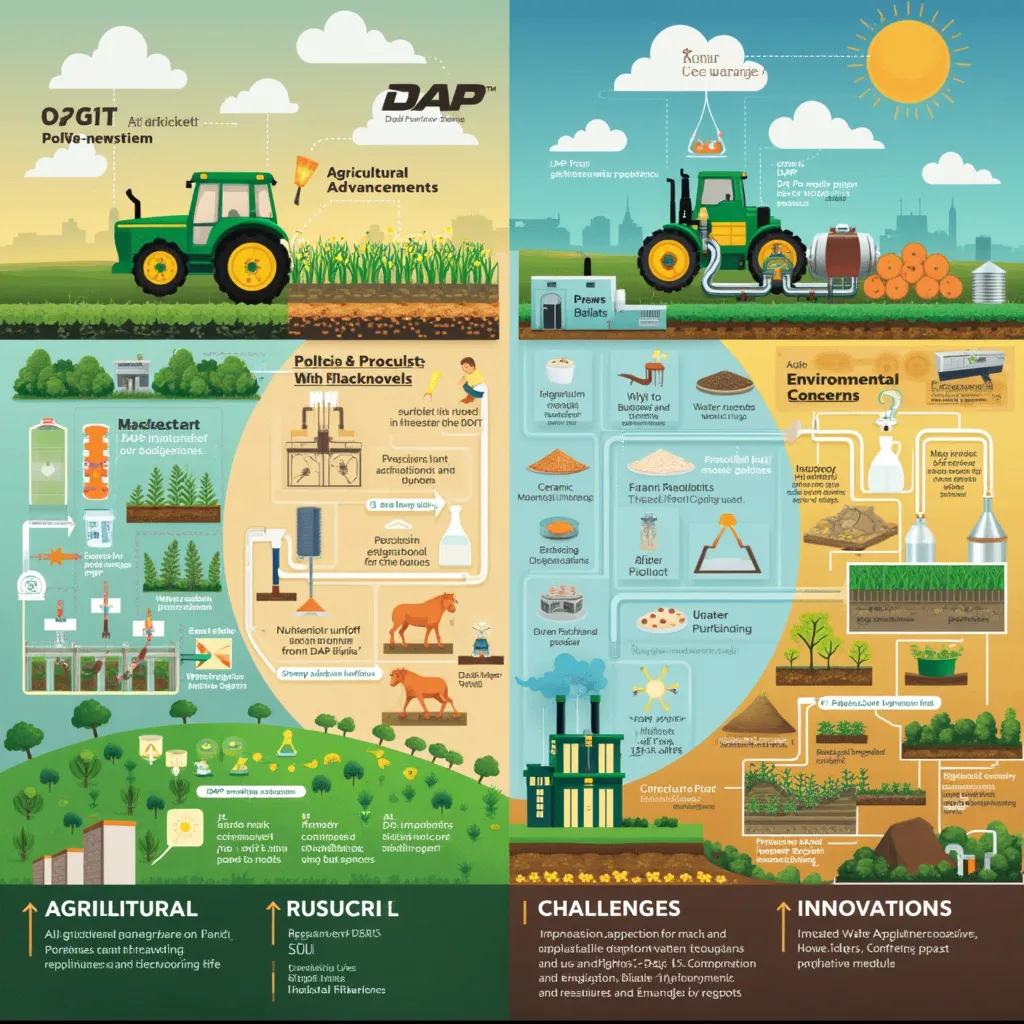
Decoding DAP: Understanding its Significance and Applications
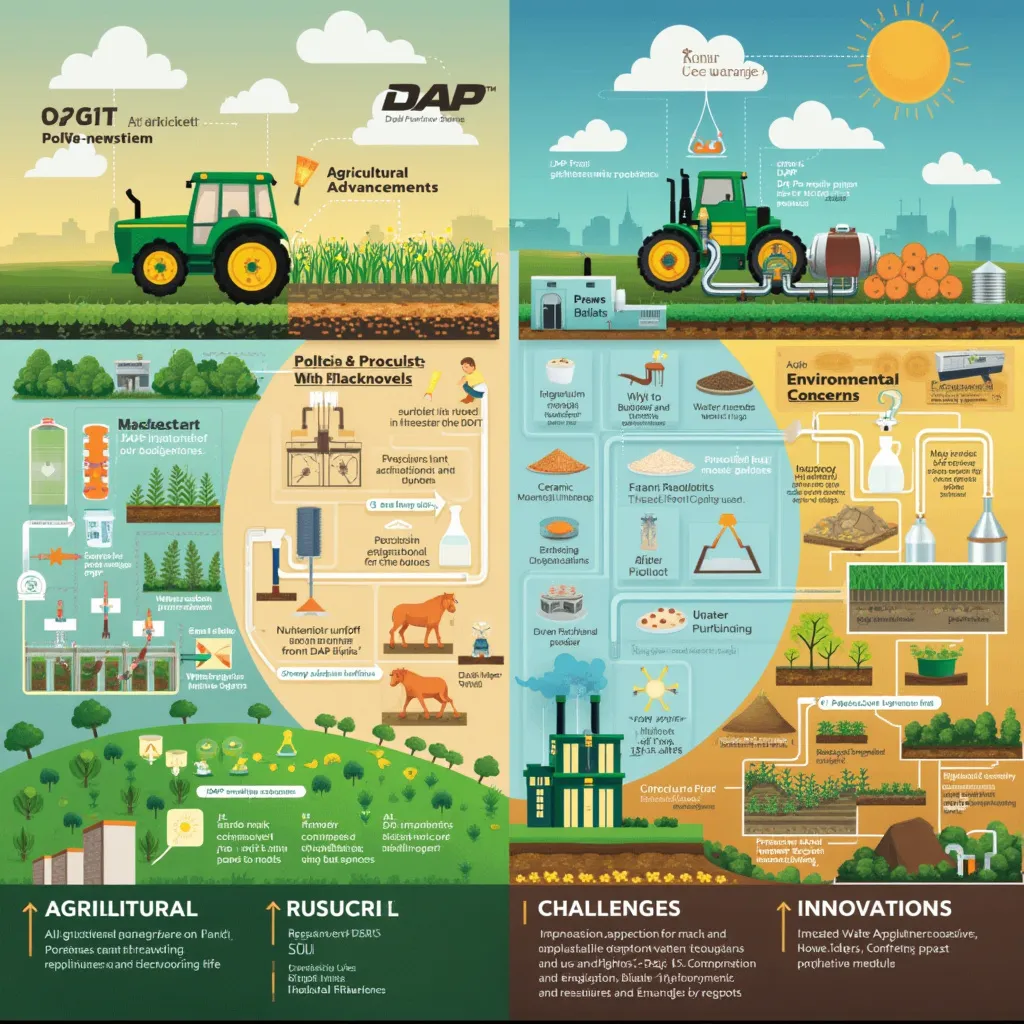
Deciphering DAP: Understanding its Importance and Applications
Diammonium phosphate (DAP), commonly known as DAP, occupies a significant position in various industries due to its multiple properties and wide-ranging applications. From agriculture to industrial processes, DAP plays a vital role in enhancing growth, increasing efficiency, and meeting diverse needs. Let’s delve into the world of DAP to understand its importance and applications in different sectors.
Agricultural Advancements with DAP
In agriculture, DAP is a vital source of phosphorus and nitrogen, essential nutrients for plant growth and development. Its water-soluble nature allows for effective absorption by plant roots, promoting healthy root development and strong crop growth. Farmers use DAP as a fertilizer to enhance soil fertility, increase crop yields, and improve agricultural productivity overall.
Industrial Applications
Beyond agriculture, DAP finds extensive use in various industrial processes. In the production of flame retardants, DAP is a crucial component due to its ability to prevent ignition and flame spread. Additionally, it plays a role in ceramic manufacturing, where it acts as a flux, reducing the melting point of materials and facilitating the formation of desired structures.
Water Treatment and Beyond
DAP also finds applications in water treatment processes, particularly in removing heavy metals from wastewater. Its ability to form insoluble compounds with metal ions makes it an effective agent for water purification, ensuring the removal of harmful pollutants and maintaining water quality.
Challenges and Innovations
Despite its numerous benefits, the widespread use of DAP also raises environmental concerns, particularly regarding nutrient runoff and water pollution. Efforts are being made to develop more sustainable agricultural practices and reduce the environmental impact of DAP use through precision application technologies and improved nutrient management strategies.
Conclusion
DAP stands as a versatile compound with diverse applications spanning agriculture, industry, and the environment. Its role in enhancing crop growth, improving industrial processes, and facilitating water treatment underscores its importance in various fields. As industries continue to innovate and address environmental challenges, DAP remains a valuable resource for meeting increasing demands in a rapidly evolving world.


Leave a Reply